Exposure Control Plan Consultants Burnaby
Turn workplace exposure concerns into a clear, usable plan with practical controls, written procedures, and documentation built around your team.
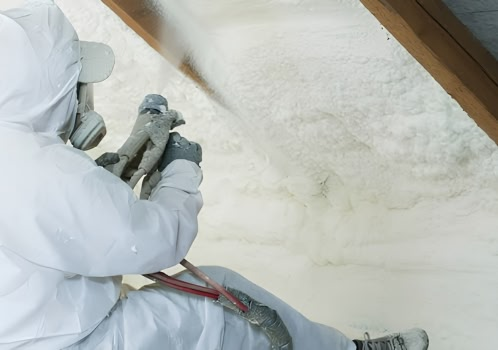
Put Controls Into Place
An exposure concern needs more than a general safety statement. Your workplace needs a plan that identifies the hazard, explains how workers may be exposed, and sets out the controls your team needs to follow.
An Exposure Control Plan can bring these details together in one organized document. Depending on the hazard, it can address responsibilities, risk assessment, control measures, education, training, hygiene, written procedures, and related documentation.
For businesses in Burnaby, a workplace specific plan can give supervisors and workers a practical reference for managing identified exposure risks.
When You Need A Plan
Hazardous Substances
Workplaces that handle or disturb hazardous substances may need specific controls to reduce worker exposure and document how those controls will be managed.
Asbestos Work
Asbestos related activities can require detailed exposure controls, work procedures, worker education, and other protective measures appropriate to the work being performed.
Silica Exposure
Cutting, grinding, drilling, demolition, and other activities can create respirable silica exposure. A focused plan can address the hazards and controls relevant to the work.
Chemical Exposure
Work involving chemicals, fumes, vapours, or other airborne contaminants may require documented procedures and controls based on the exposure risk.
What Goes Into The Plan
A useful ECP connects the identified hazard with the actual work being performed and the controls your workers need to follow.
The work may include:
- Hazard identification
- Exposure risk assessment
- Control measures
- Worker responsibilities
- Safe work procedures
- Training requirements
ECP Development Services

Hazard Identification
The workplace activities and substances connected to the exposure concern are reviewed so the plan addresses the hazards that actually apply.
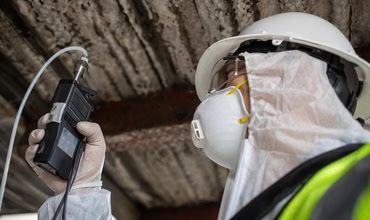
Exposure Assessment
Potential exposure routes, work activities, frequency, duration, and other relevant factors can be considered when evaluating the workplace risk.
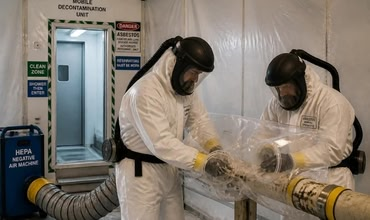
Control Measures
The plan can document appropriate engineering, administrative, work practice, and personal protective measures for the identified exposure.
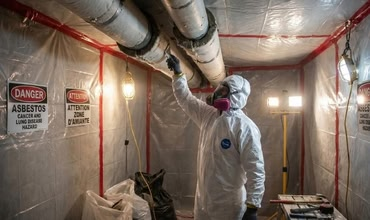
Safe Work Procedures
Written procedures can explain how specific tasks should be completed while applying the controls identified in the plan.
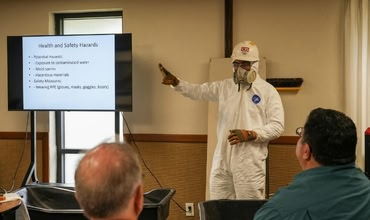
Worker Education
The documentation can outline the information and training workers need to understand the hazards, controls, procedures, and responsibilities involved.
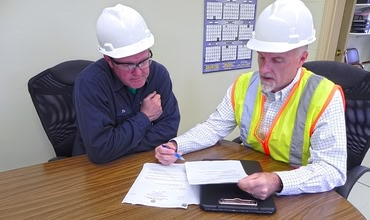
Plan Review
Exposure control plans need to remain relevant as workplace conditions, equipment, procedures, or hazards change. An appropriate review process can help keep the documentation current.
What A Good Plan Provides
Clear Responsibilities
Workers, supervisors, and management can have clearly documented responsibilities related to the identified exposure.
Practical Controls
Controls are connected to the actual workplace hazard instead of relying on broad statements that may not apply to the task.
Consistent Procedures
Written procedures give workers a common reference for completing activities where exposure needs to be controlled.
Better Training
A well organized plan can support worker education by bringing hazards, controls, procedures, and responsibilities together.
Stronger Documentation
A complete plan creates a useful record of how the workplace intends to identify and manage the exposure concern.
Easier Implementation
When information is organized clearly, supervisors have a better foundation for putting the required controls into practice.
Build Your Workplace Plan
Have an exposure concern in your Burnaby workplace? Tell us about the hazard, the work your team performs, and the documentation you currently have.
Why Choose Our Service
Built Around Your Workplace
The plan can be developed around your actual operations, hazards, workers, and work environment rather than relying on generic content.
Clear And Usable
Safety documents should be practical for the people who need to follow them. Information is organized in straightforward language.
Hazard Specific
Different hazards require different controls. The plan can focus on the specific substance or exposure concern involved.
Project Ready
Documentation can support ongoing workplace operations as well as specific construction, renovation, maintenance, or hazardous material projects.
Terms To Know
Specific project numbers, years of experience, customer totals, and other business statistics should be added only after the business has confirmed them.
From Hazard To Plan
01. Discuss Your Workplace
Tell us about your business, work activities, identified hazard, workers involved, and any existing safety documentation.
02. Identify The Exposure
The relevant hazard and potential exposure circumstances are reviewed to understand what the plan needs to address.
03. Assess The Risk
The work activities, exposure routes, existing controls, and other relevant conditions are considered as part of the assessment.
04. Develop The ECP
The appropriate controls, procedures, responsibilities, education requirements, and supporting information are organized into the exposure control plan.
05. Review The Final Document
The completed plan is reviewed for clarity and practical use so your workplace has a structured document to work from.
What Clients Say
A safety plan should be something your team can actually use, not another document that sits unread.
“We had several exposure concerns and needed a proper plan for our workplace. Everything was explained clearly and the final document was easy for our team to follow.”
“Our existing documentation needed a lot of work. The updated plan was much more organized and made the responsibilities clearer for our supervisors.”
“We wanted an ECP that actually reflected our work instead of a generic template. The process was straightforward and the finished document fit our workplace much better.”
Frequently Asked Questions
It is a written plan that identifies an exposure hazard and documents the controls and procedures used to protect workers from that hazard.
The requirement depends on the hazards and exposure circumstances present in the workplace. WorkSafeBC requirements should be reviewed for the specific situation.
Yes. Exposure control planning can address asbestos related work and the controls needed for the activities involved.
Yes. A plan can address silica hazards associated with applicable workplace activities.
Yes. Chemical hazards and the appropriate exposure controls can be addressed when they are relevant to the workplace.
Where written procedures are required or appropriate, they can form part of the plan and explain how specific work should be completed safely.
Workers, supervisors, managers, and other people responsible for carrying out or overseeing the relevant work can use the plan as a workplace reference.
Yes. The plan should be reviewed when relevant workplace conditions or procedures change, and applicable requirements may also call for periodic review.
Yes. Existing documentation can be reviewed and updated to better reflect current hazards, controls, procedures, and workplace activities.
Contact us with information about your workplace and exposure concern so the appropriate planning and documentation support can be discussed.
Give Your Team A Clearer Plan
Exposure risks are easier to manage when workers know the hazard, understand the controls, and have clear procedures to follow. Start building your Burnaby workplace plan around the risks that actually matter.