Workplace Hazard Risk Assessment Services Langley
See workplace risks more clearly with a focused assessment that helps your team identify hazards, understand controls, and plan safer work.

Know The Risks
Workplace hazards can come from equipment, materials, work practices, environmental conditions, or the way a task is performed. Identifying them early gives your team a better opportunity to address them before an incident occurs.
A workplace hazard risk assessment looks at the hazards connected to the work, considers the level of risk, and helps identify appropriate controls. Hazard identification and control are key parts of an effective workplace safety program.
For businesses in Langley, a structured assessment can provide useful information for supervisors, workers, managers, and safety teams.
When Assessment Helps
Before A New Task
Introducing a new task, process, material, or piece of equipment can create hazards your existing procedures may not address. An assessment can help identify those risks before the work begins.
During Workplace Changes
Changes to equipment, staffing, work areas, or production processes can introduce new safety concerns. Reviewing the risks helps keep controls aligned with current conditions.
After An Incident
An incident or near miss can highlight hazards that need another look. A focused assessment can help identify contributing conditions and areas where controls may need improvement.
For Ongoing Safety
Risk assessment should not be treated as a one time exercise. Regularly reviewing workplace hazards can help teams respond to changing conditions and maintain stronger safety practices.
What We Assess
The assessment is built around your workplace, the activities being performed, and the hazards that may affect your workers.
The work may include:
- Workplace hazard identification
- Task specific risk assessment
- Existing control review
- Worker exposure considerations
- Corrective action recommendations
- Safety documentation
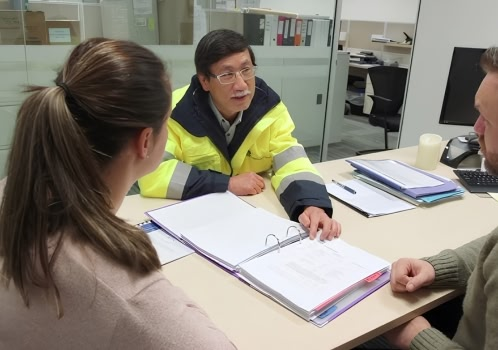
Assessment Services
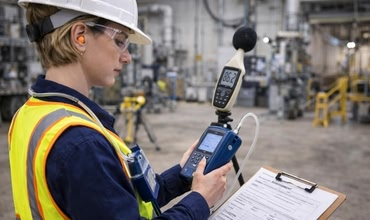
Workplace Hazard Identification
Work areas, equipment, materials, and activities can be reviewed to identify conditions that may create risks for workers.
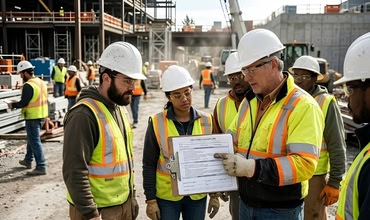
Task Risk Assessment
Specific jobs can be assessed by looking at the hazards involved at different stages of the task and the controls needed to manage them.

Control Review
Existing controls can be examined to determine whether they are suitable for the hazards identified and whether additional measures may be appropriate.
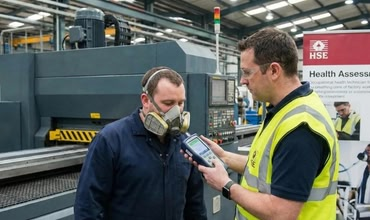
Exposure Risk Review
Where workers may encounter hazardous substances, airborne contaminants, or other exposure concerns, those risks can be considered within the assessment scope.

Corrective Action Planning
Assessment findings can be organized into practical actions that help your team address identified hazards and improve workplace controls.

Documentation Support
Findings and recommendations can be documented so supervisors and safety teams have a clear record to use for planning and follow up.
What A Risk Assessment Can Do
Identify Hidden Hazards
A structured review can bring attention to hazards that may be overlooked during routine work.
Prioritize Risks
Not every hazard presents the same level of concern. An assessment can help your team focus attention on the risks that require greater priority.
Strengthen Controls
Reviewing existing measures can show where controls are working and where additional action may be needed.
Support Supervisors
Clear assessment findings give supervisors useful information when planning tasks and communicating safety expectations.
Improve Documentation
Written findings create a practical record of hazards, controls, and recommended actions for future reference.
Support Safer Work
The overall goal is to help your team understand workplace risks and put appropriate controls into practice.
Review Your Workplace
Have a workplace hazard concern in Langley? Tell us about your operations, the work being performed, and the areas where you want a closer risk review.
Why Choose Our Service
Workplace Focused
The assessment is built around the actual conditions, tasks, and hazards found in your workplace.
Practical Findings
Recommendations are presented with the goal of helping your team understand what can be done about identified risks.
Clear Communication
Safety information is kept straightforward so managers, supervisors, and workers can use the findings more easily.
Useful Documentation
The completed assessment gives your workplace a clear record of identified hazards, risk considerations, and recommended controls.
Terms To Know
Specific project numbers, years of experience, customer totals, and other business statistics should be added only after the business has confirmed them.
From Hazard To Action
01. Discuss Your Workplace
Share information about your business, work activities, employees, equipment, known hazards, and any concerns you want assessed.
02. Review The Work
The relevant tasks, work areas, materials, equipment, and operating conditions are reviewed to establish the assessment scope.
03. Identify The Hazards
Potential hazards are identified by looking at the work being performed and the conditions surrounding each activity.
04. Evaluate The Risks
The identified hazards are considered in relation to their potential consequences, likelihood, existing controls, and areas requiring further attention.
05. Document The Findings
The assessment findings and recommendations are organized into clear documentation that your team can use for follow up and workplace planning.
What Clients Say
A useful risk assessment should make workplace safety easier to understand and easier to act on.
“We wanted someone to look closely at the risks connected to our daily operations. The assessment gave our team a much clearer direction.”
“The findings were straightforward and helped us see where our existing controls needed more attention. The process was easy to manage.”
“We appreciated having the risks and recommendations organized clearly. It gave our supervisors something practical to work with.”
Frequently Asked Questions
It is a structured review used to identify workplace hazards, evaluate associated risks, and determine appropriate controls.
It can be useful before new work begins, when workplace conditions change, after an incident, or as part of ongoing safety management.
Yes. A risk assessment can focus on a specific task, activity, process, or work area.
Yes. Construction activities can involve changing conditions and multiple hazards that may require task and site specific assessment.
Yes. Existing control measures can be considered as part of the risk assessment.
The hazard can be evaluated and appropriate control measures or corrective actions can be considered based on the assessment findings.
Yes. Worker exposure to hazardous substances, airborne contaminants, and other relevant hazards can be considered within the assessment scope.
Yes. Findings can be accompanied by practical recommendations for addressing identified risks.
Yes. The findings can be organized into written documentation for workplace records and follow up.
Contact us with information about your workplace, the hazards you are concerned about, and the work activities you want assessed.
Make Workplace Risks Easier To Manage
A clear understanding of workplace hazards gives your team a stronger foundation for deciding what needs attention. Arrange a focused risk assessment for your Langley workplace.